Grazing Gash

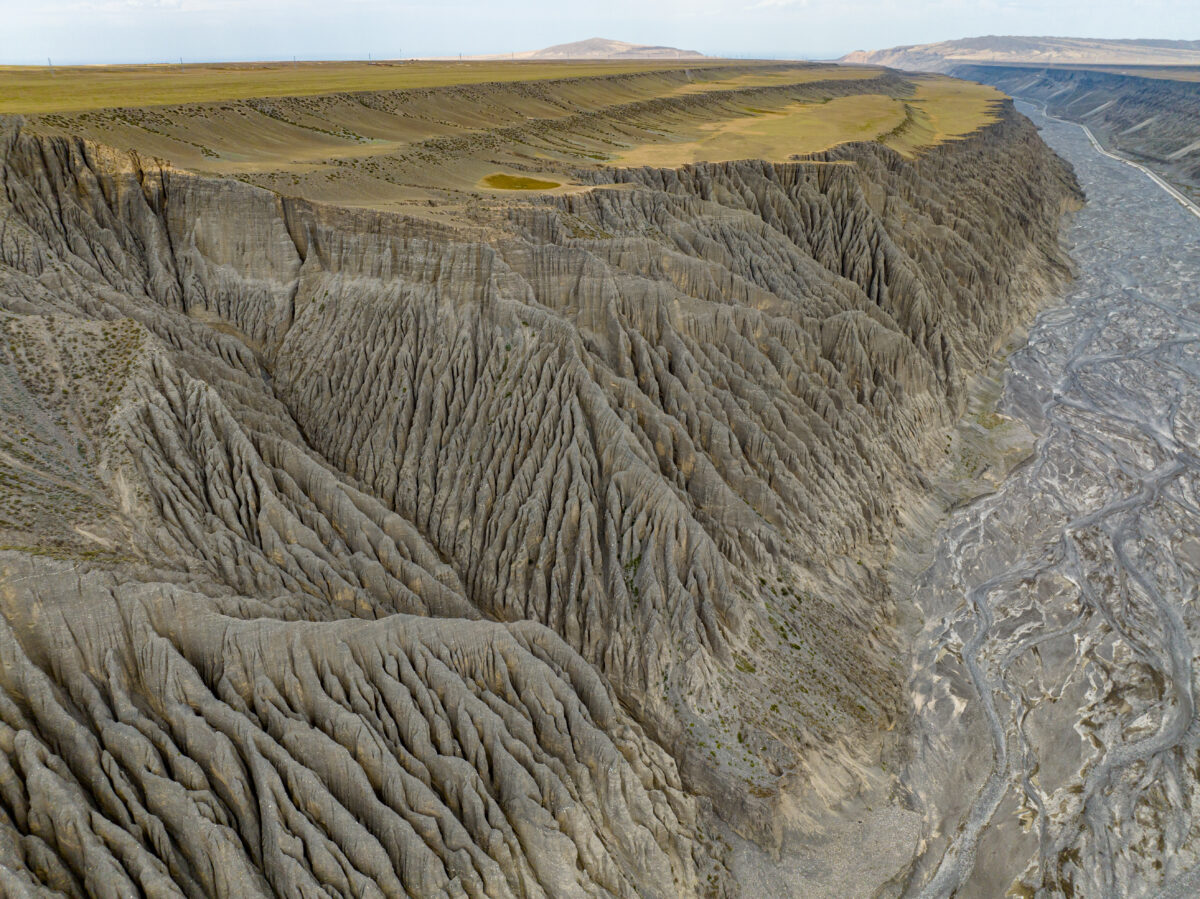
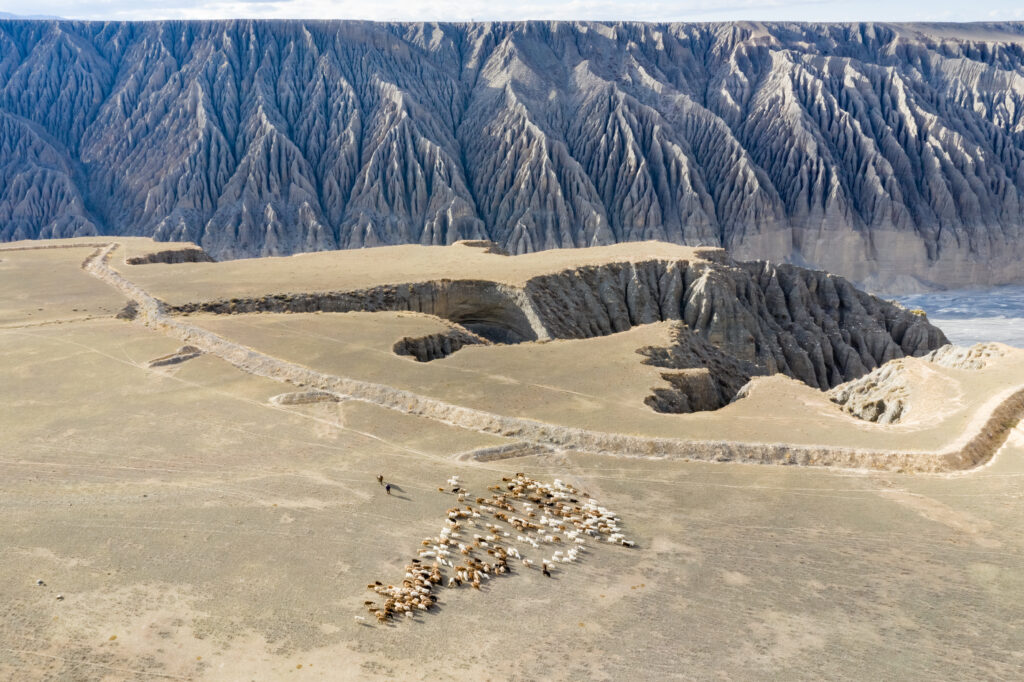
Deeper into Dzungaria, cows and horses can still graze but water is more and more scarce. The river beds are impassable and jagged cliffs limit access from above.
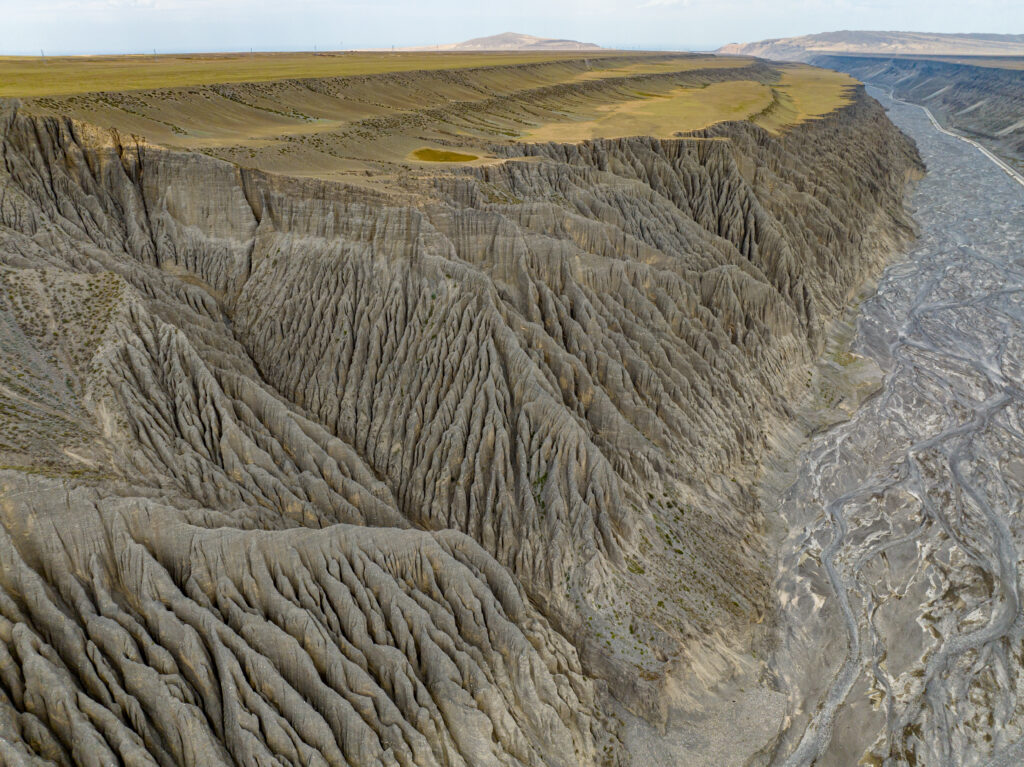
Deeper into Dzungaria, cows and horses can still graze but water is more and more scarce. The river beds are impassable and jagged cliffs limit access from above.
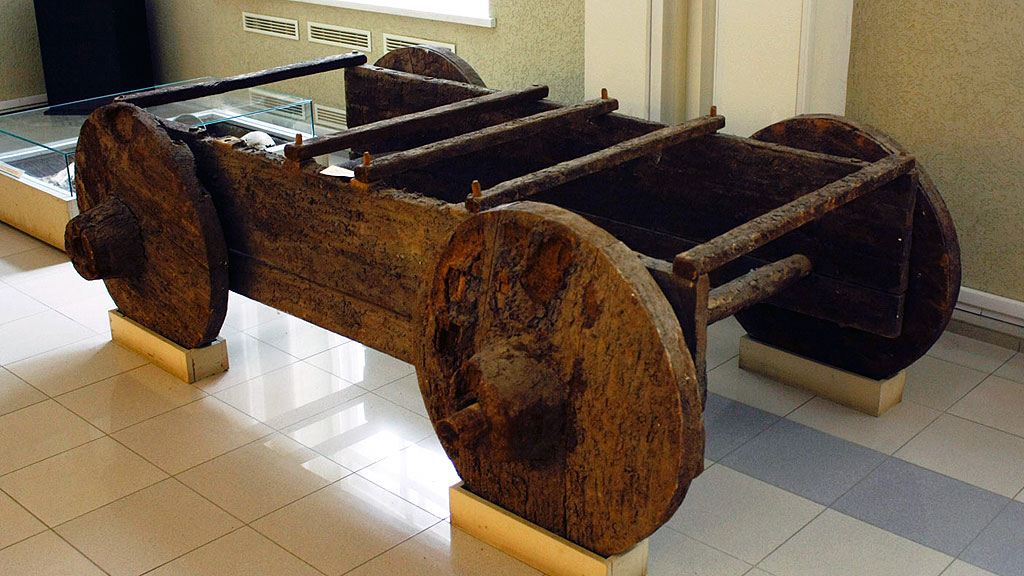
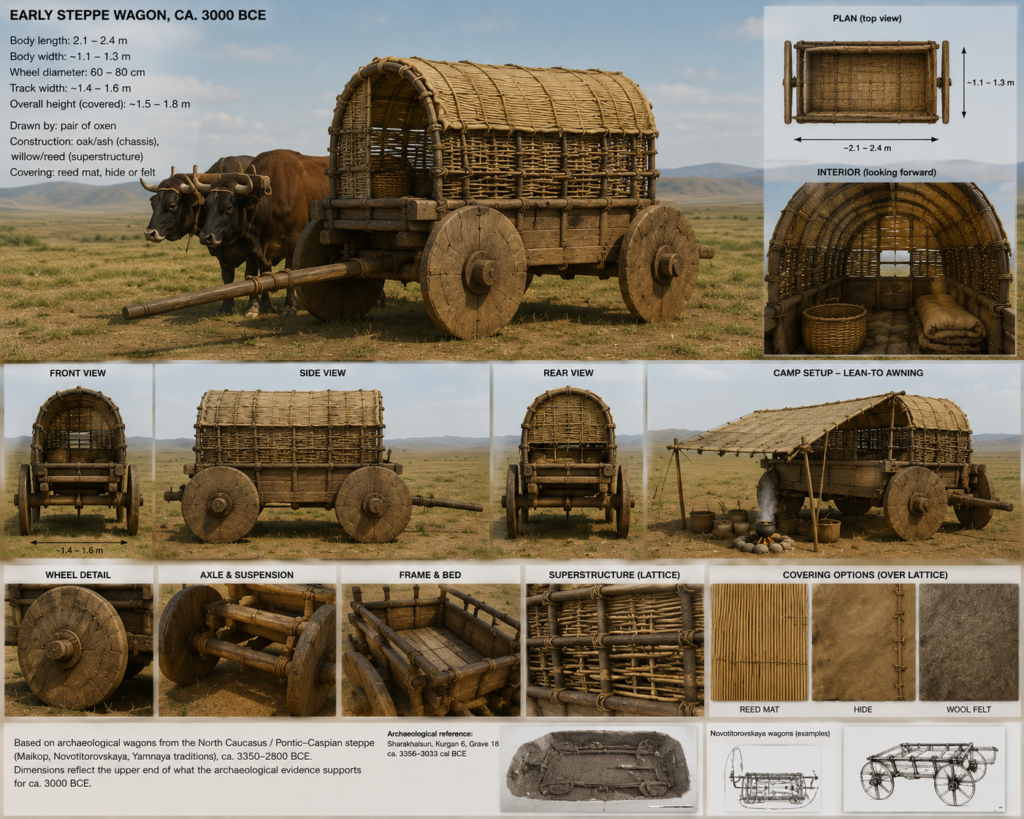
Alara’s ancestor, Déhawiha, probably traveled 2,500 miles in a wagon like this. Rough ride from the Pontic Steppe, north of the Black Sea to the southern shores of Lake Baikal! Truth is, people probably walked most of the way, but the wagon was still the hub that a home was built around.
A more complete virtual reconstruction follows. No matter what, this wasn’t glamping 
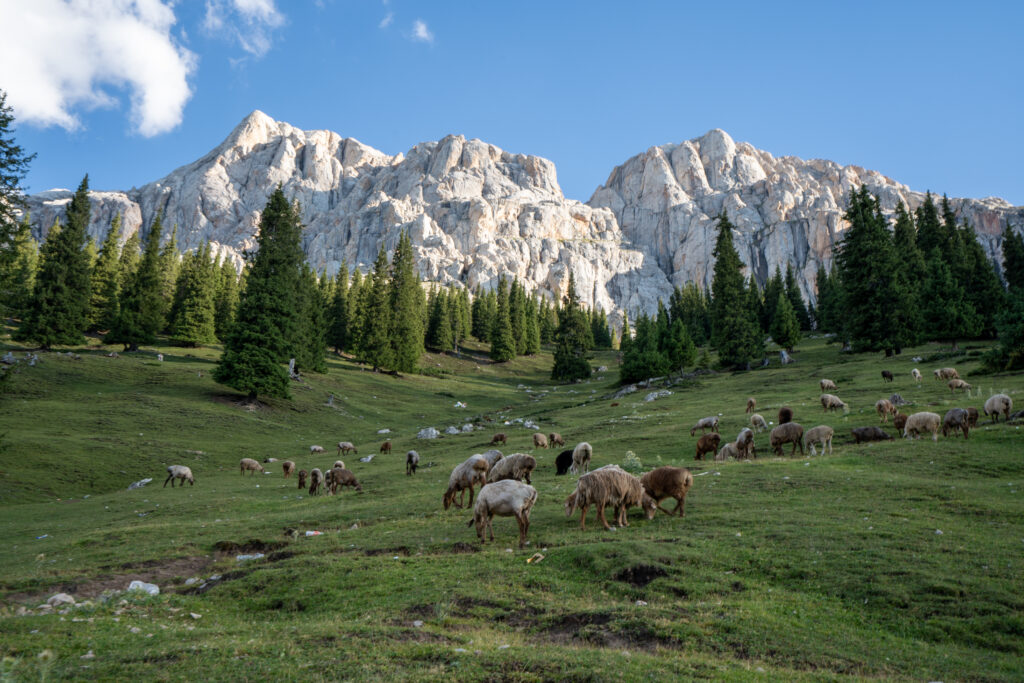
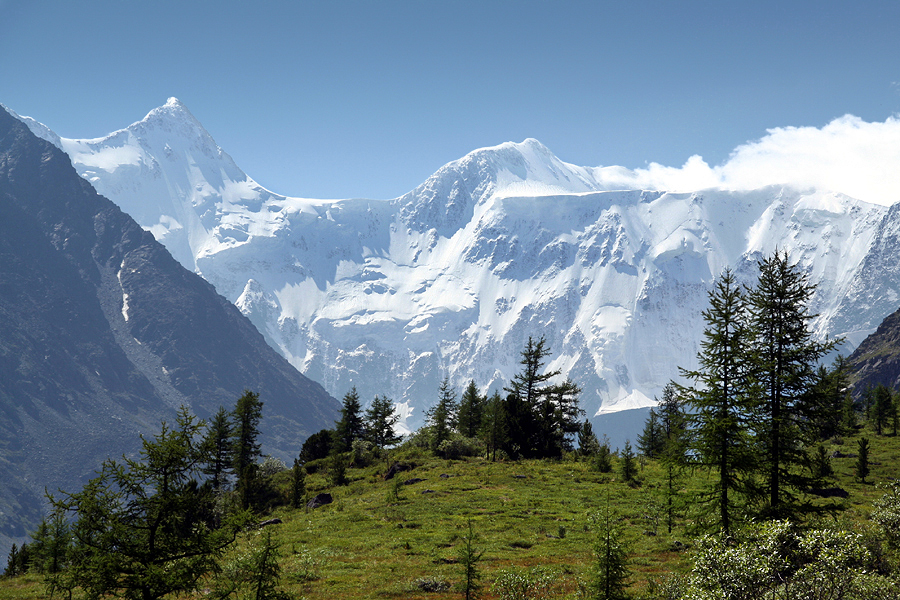
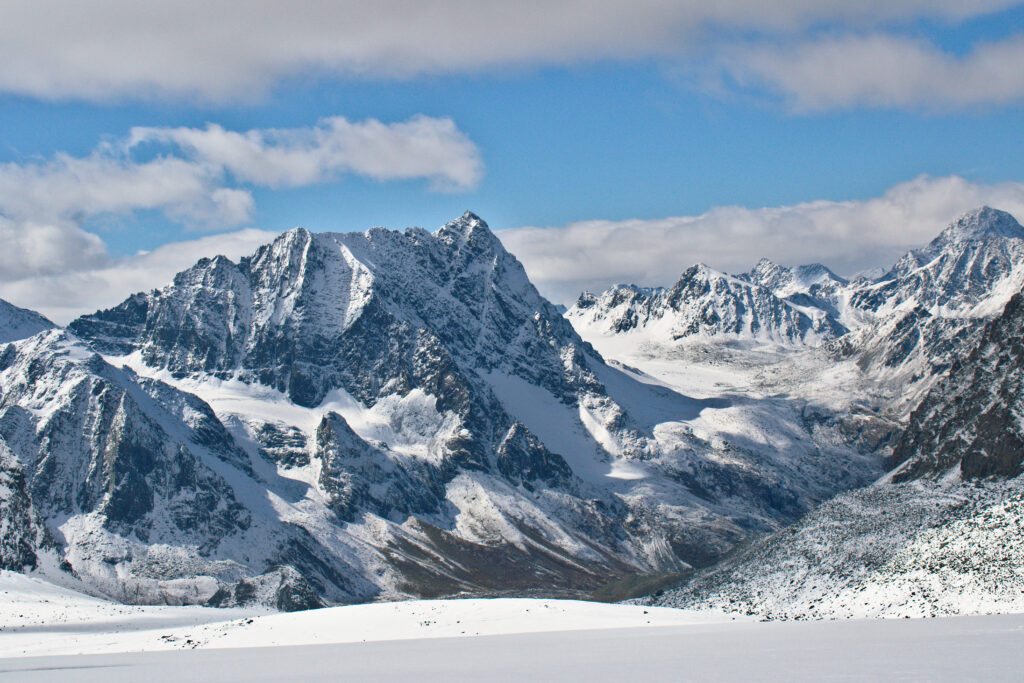
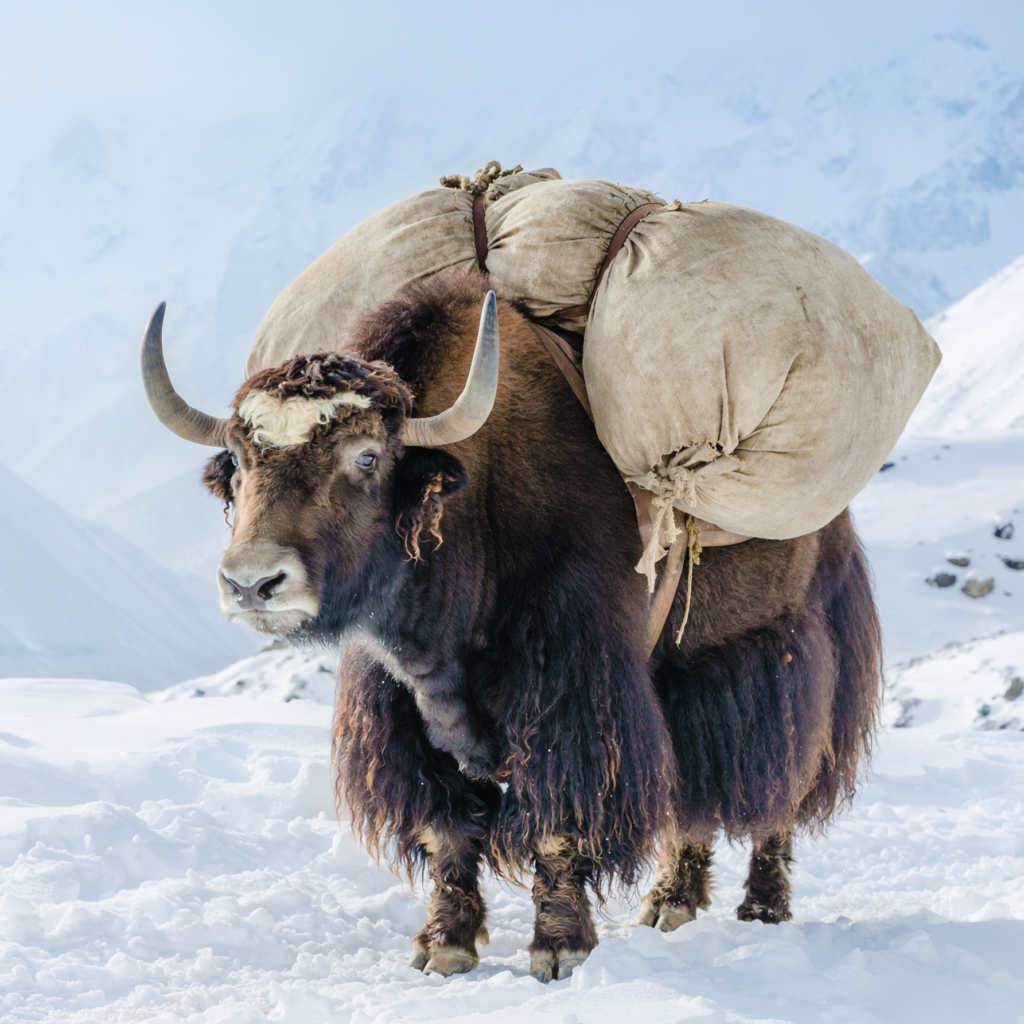
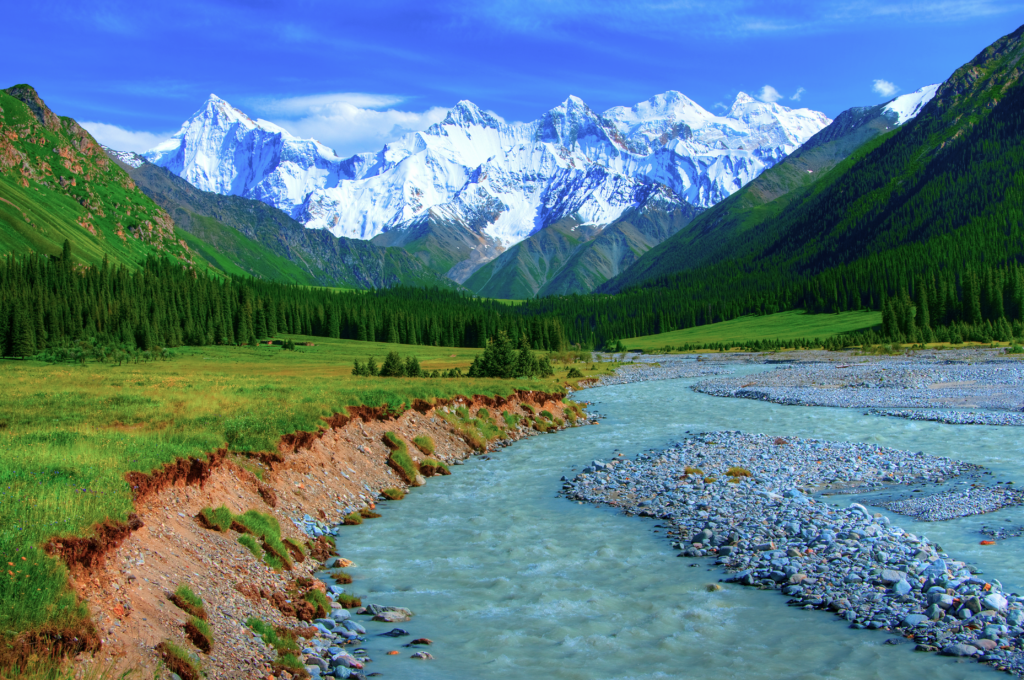
In few weeks of travel on foot, the world changes a lot, no matter where you go, it’s Big Sky Country.
It’s a changing network of mountain passes, river valleys, desert edges and sea routes. A route can flourish for generations, then fade when a border closes, a river moves or a safer road opens elsewhere
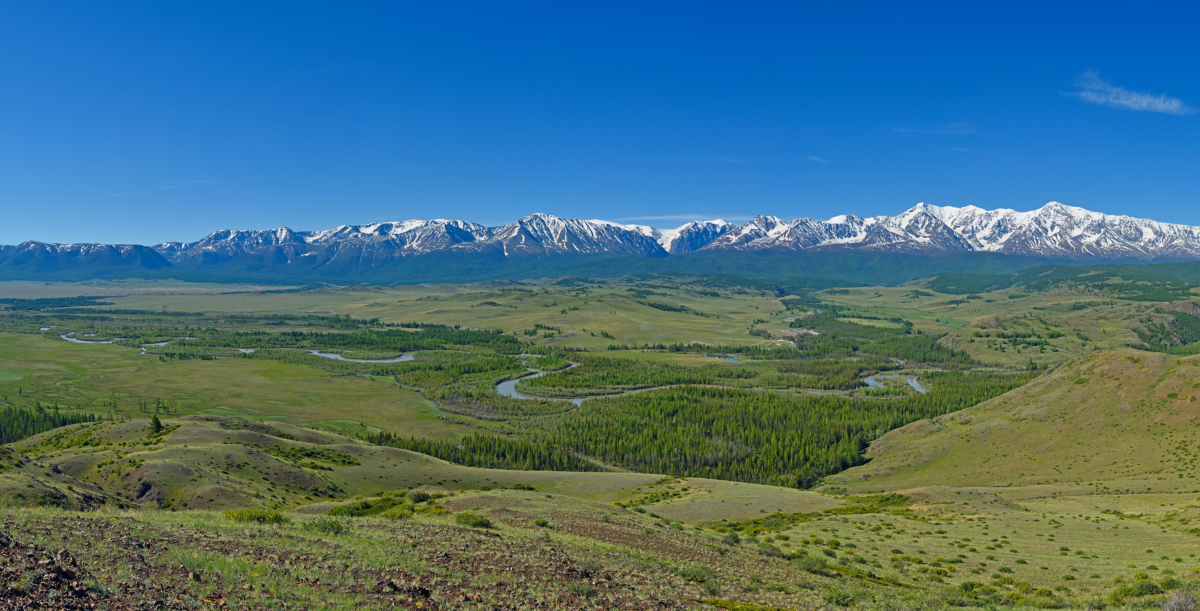
North Chuya Range and Chuya River across Kuray Steppe – from Wikimedia Commons.
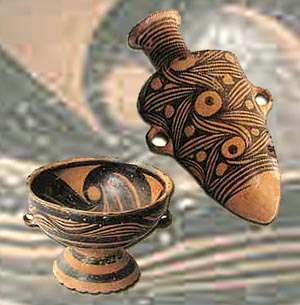
What are Déywiha’s family hoping to get from their trip east? It’s a huge adventure, traveling for trade in the area they call Ga-Se, a predecessor to any named Chinese state we know of.
I love history but I feel like I’ve read and seen the same European, Roman, Greek, Egyptian, etc, history – over and over. This part of the world fascinates me because we know so little about it.
Most of us could not pick out Turkmenistan vs Khazakstan on the map. Before I wrote this book, I’m not sure I could have. So even MODERN Central Asia is a handful. But diving into the ancient world there was even better.
We know the broad outlines of these places and ancient times. But we’re pre-history just about everywhere but Sumer in 3000 BCE when this story begins. The Proto-Indo-European language and horse culture are spreading eastward across the steppe. Nomadic herding abounds and long distance trade routes are established.
That’s about what we know. There are some more details but we have no history of either migrants from the west or indigenous residents in the east. Archaeology has tolds us much, but we have more holes than cloth.
So, the place and time seemed ripe for a story in which I could research what was known yet fill in the blanks is ways that served our story, without being bound by a known historical narrative. There is also an sense of the exotic that served the fictional arc.
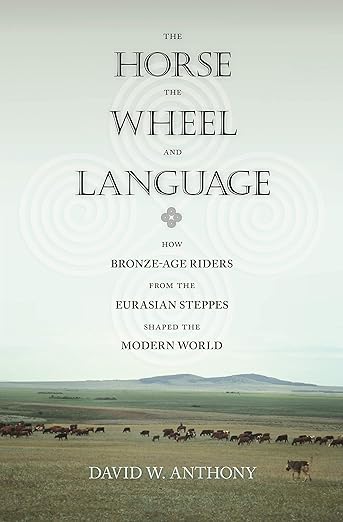
For me, the research through the available history was an incredible journey. If you’d like to learn more, I recommend The Horse, The Wheel and Language, by David Anthony.