I love history but I feel like I’ve read and seen the same European, Roman, Greek, Egyptian, etc, history – over and over. This part of the world fascinates me because we know so little about it.
Most of us could not pick out Turkmenistan vs Khazakstan on the map. Before I wrote this book, I’m not sure I could have. So even MODERN Central Asia is a handful. But diving into the ancient world there was even better.
We know the broad outlines of these places and ancient times. But we’re pre-history just about everywhere but Sumer in 3000 BCE when this story begins. The Proto-Indo-European language and horse culture are spreading eastward across the steppe. Nomadic herding abounds and long distance trade routes are established.
That’s about what we know. There are some more details but we have no history of either migrants from the west or indigenous residents in the east. Archaeology has tolds us much, but we have more holes than cloth.
So, the place and time seemed ripe for a story in which I could research what was known yet fill in the blanks is ways that served our story, without being bound by a known historical narrative. There is also an sense of the exotic that served the fictional arc.
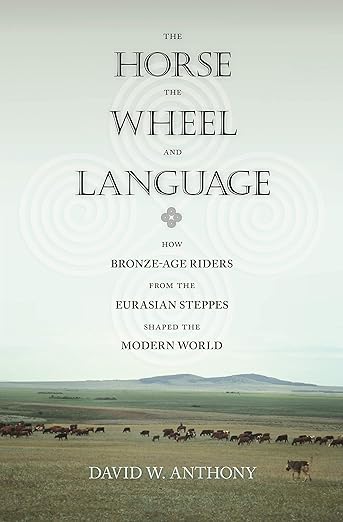
For me, the research through the available history was an incredible journey. If you’d like to learn more, I recommend The Horse, The Wheel and Language, by David Anthony.