An Original Oasis

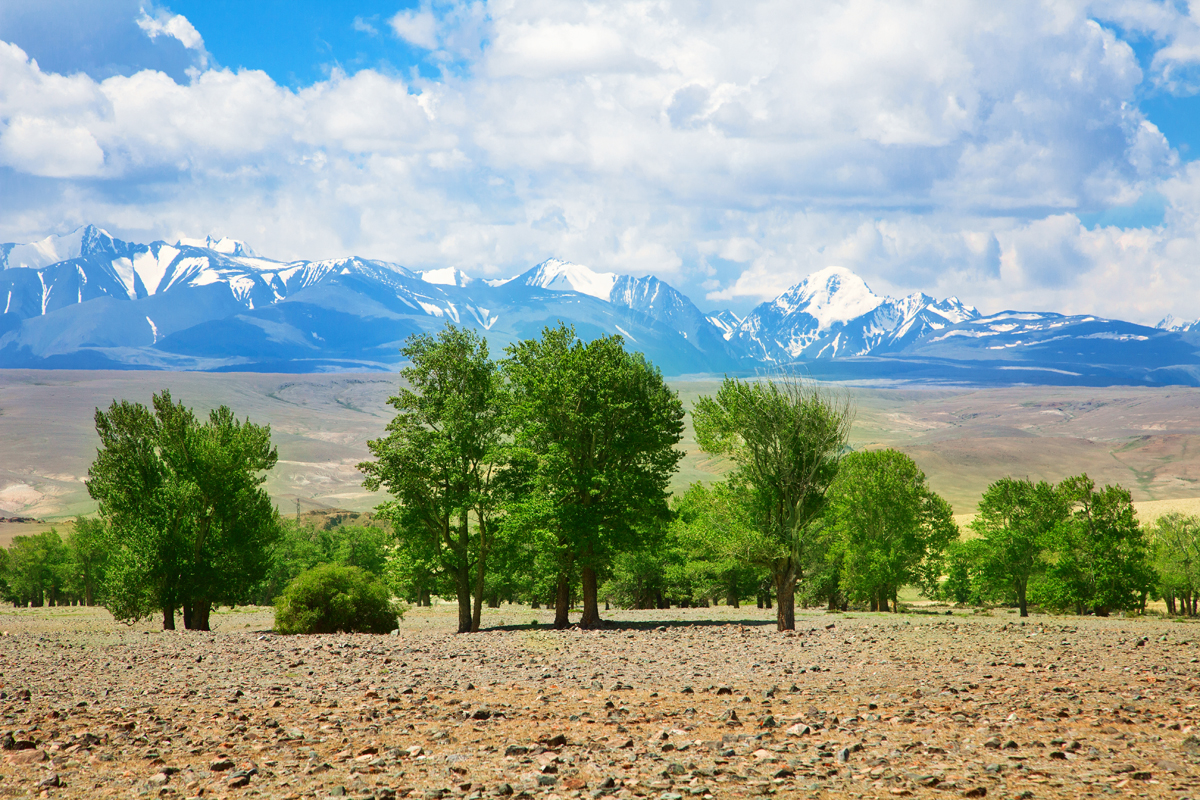
No river flows to Ga-Se. With less water, the Way gets more difficult. These trees are sure signs deeper water sources. Water flows from the mountains, disappears into desert basin and flows again at the bottom.
No river flows to Ga-Se. With less water, the Way gets more difficult. These trees are sure signs deeper water sources. Water flows from the mountains, disappears into desert basin and flows again at the bottom.
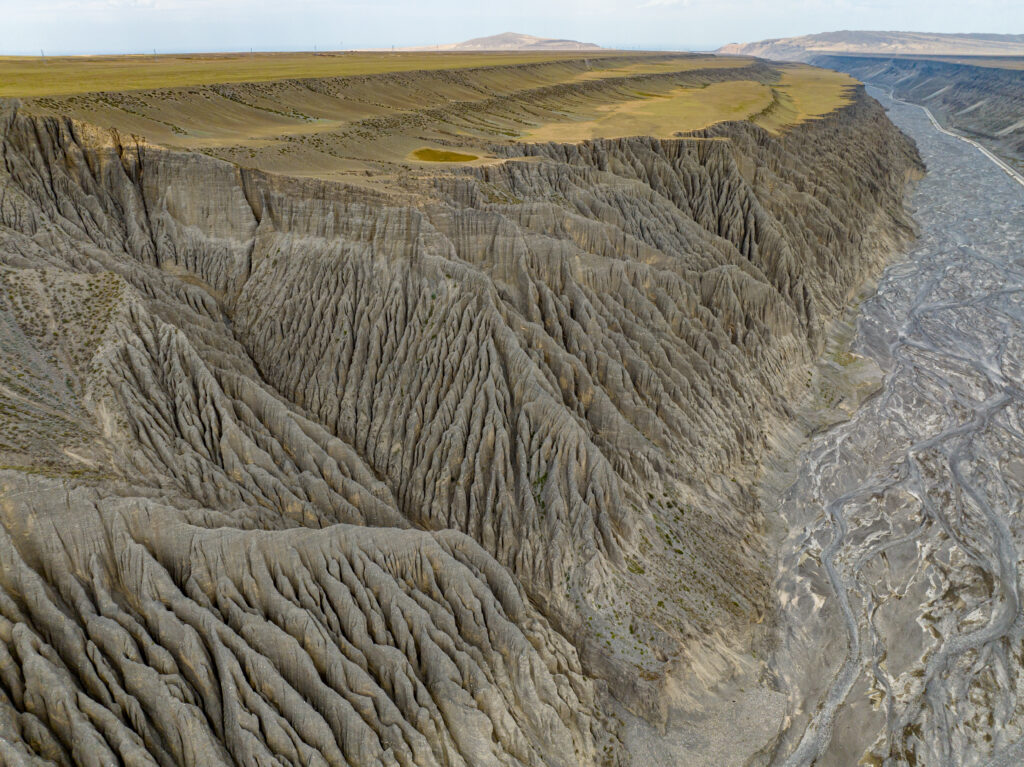
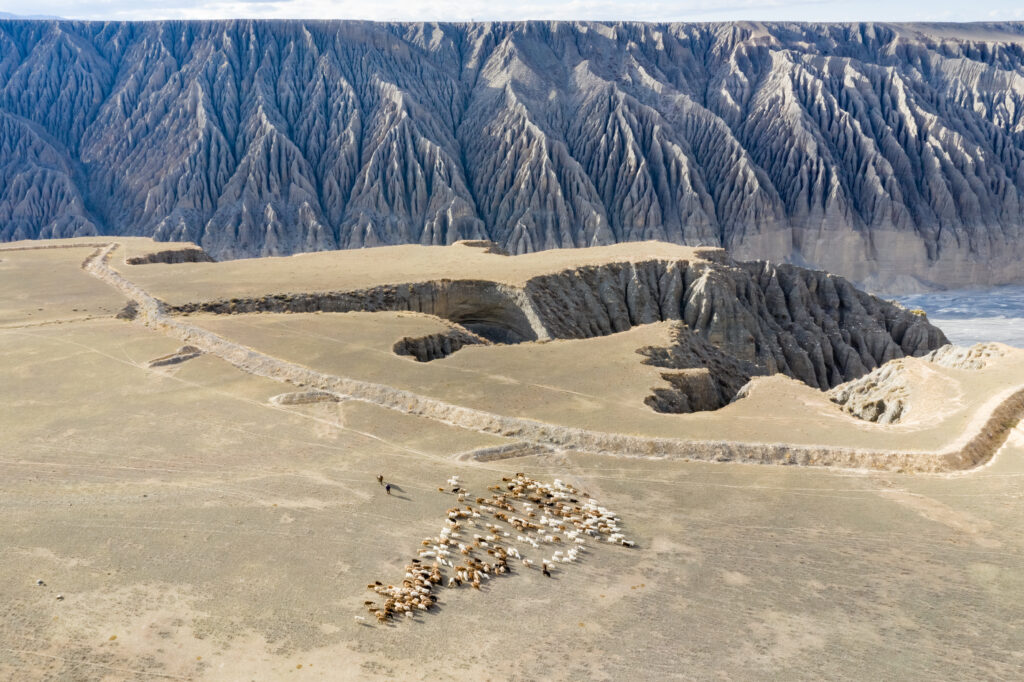
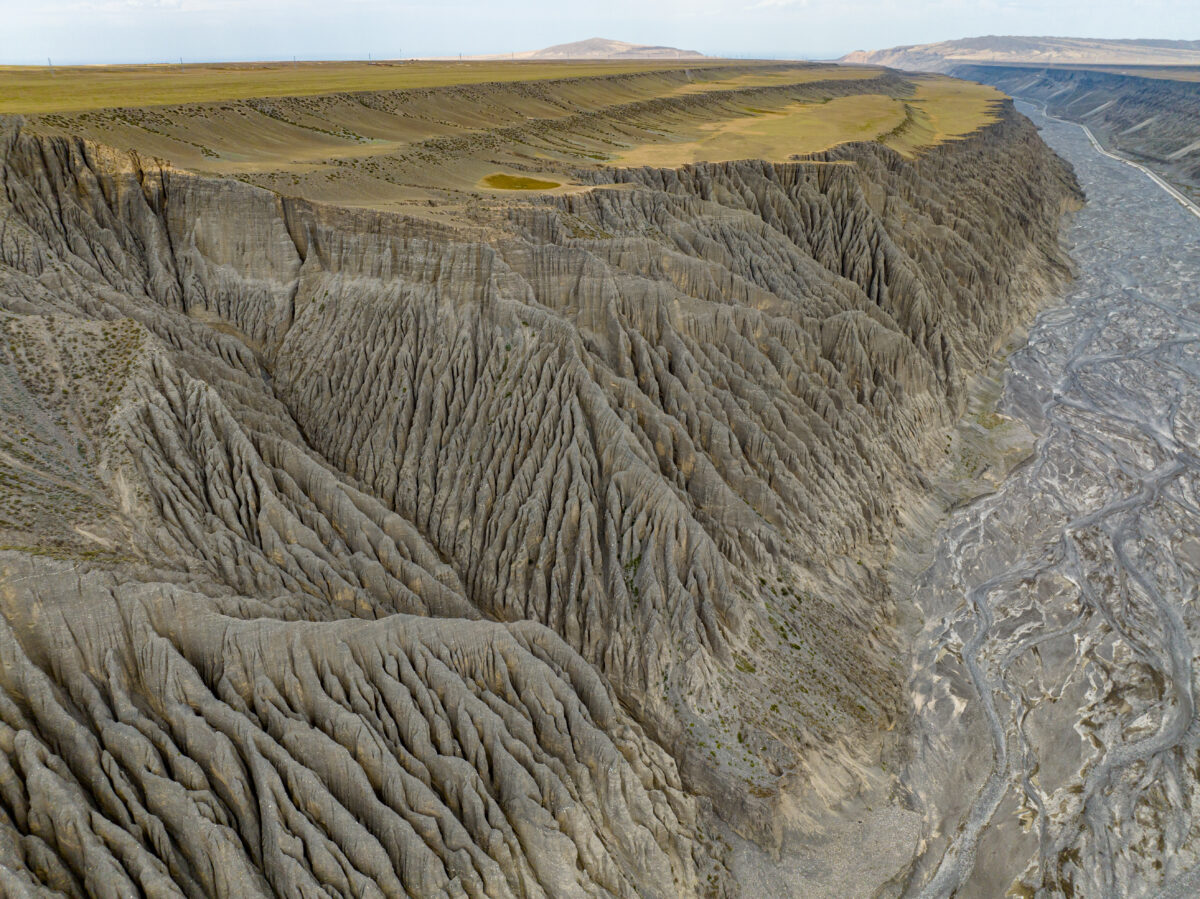
Deeper into Dzungaria, cows and horses can still graze but water is more and more scarce. The river beds are impassable and jagged cliffs limit access from above.
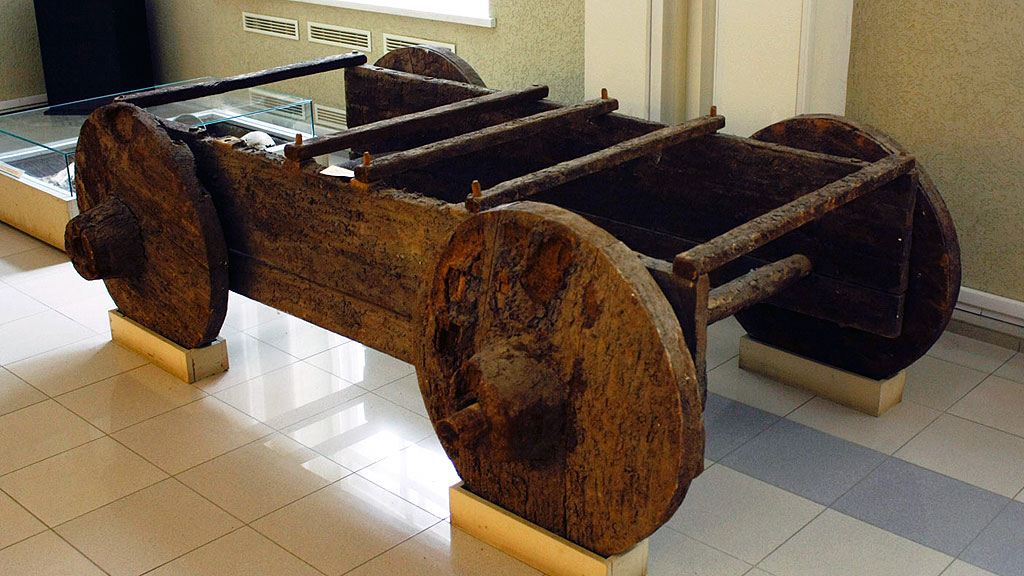
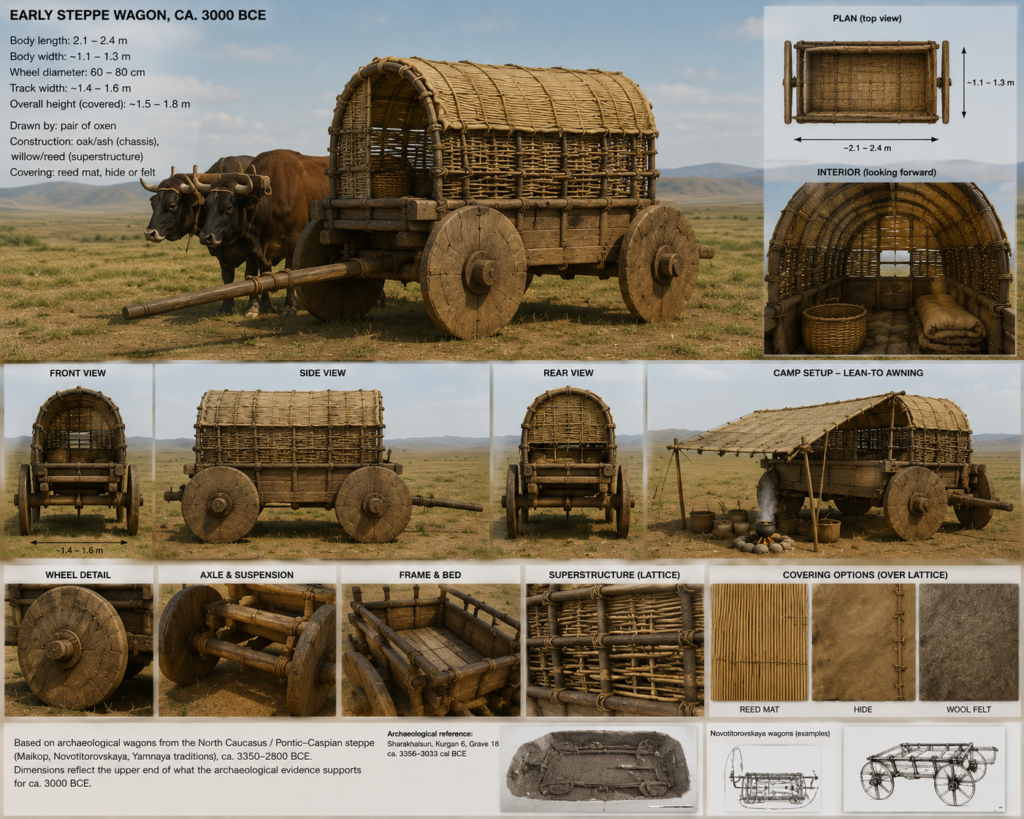
Alara’s ancestor, Déhawiha, probably traveled 2,500 miles in a wagon like this. Rough ride from the Pontic Steppe, north of the Black Sea to the southern shores of Lake Baikal! Truth is, people probably walked most of the way, but the wagon was still the hub that a home was built around.
A more complete virtual reconstruction follows. No matter what, this wasn’t glamping 
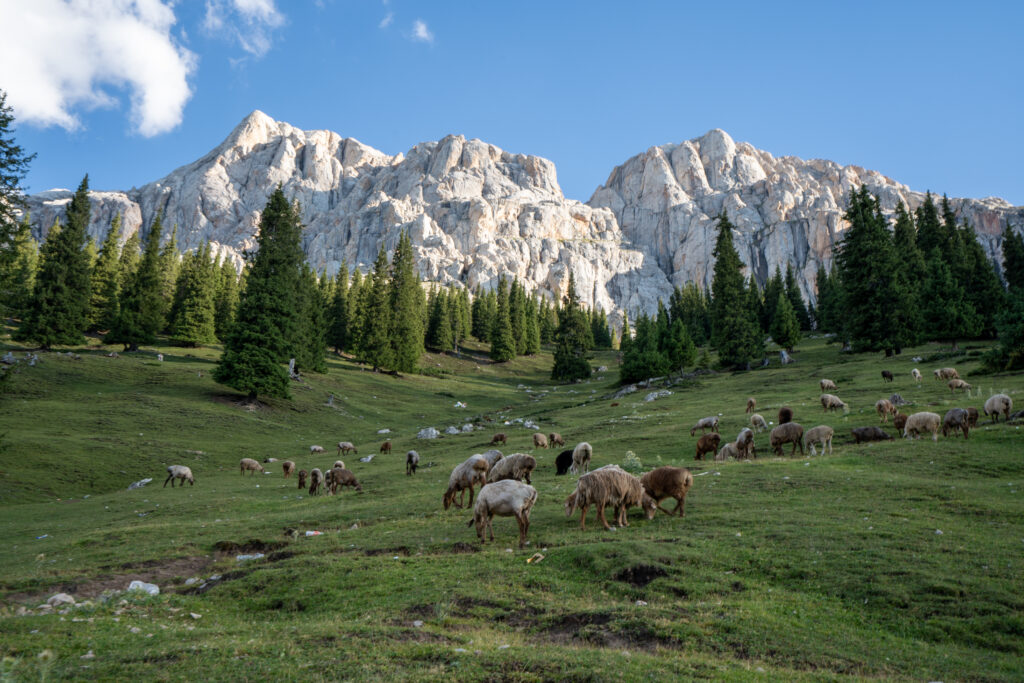
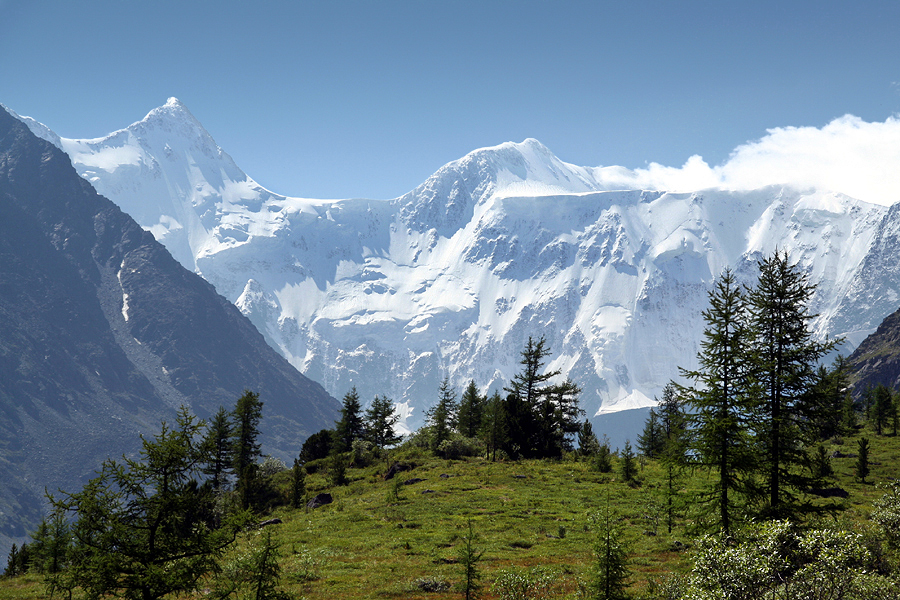
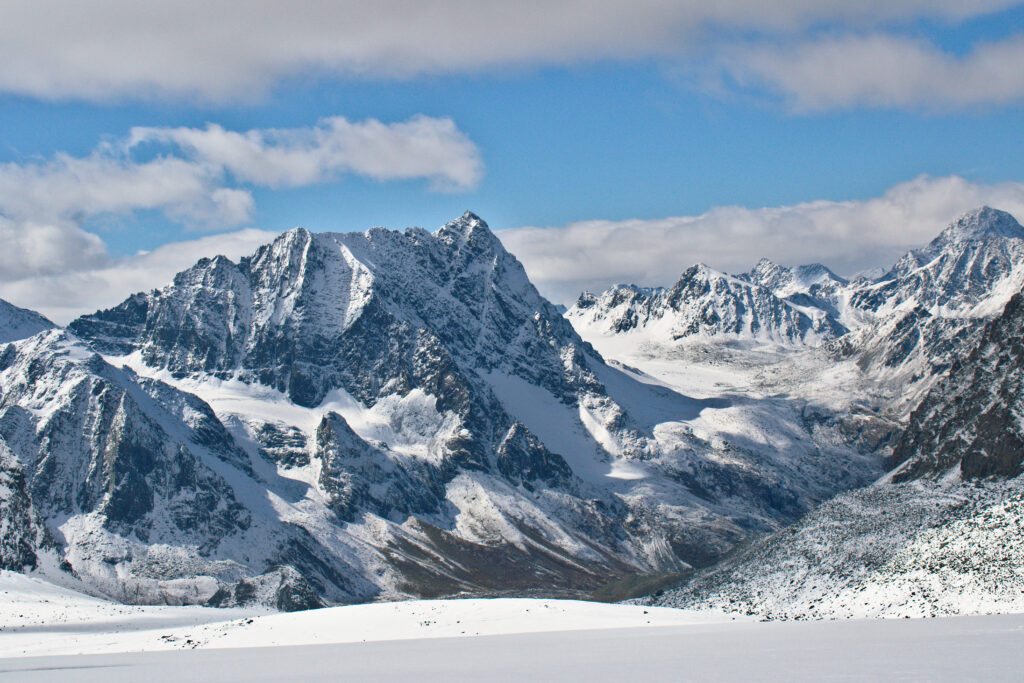
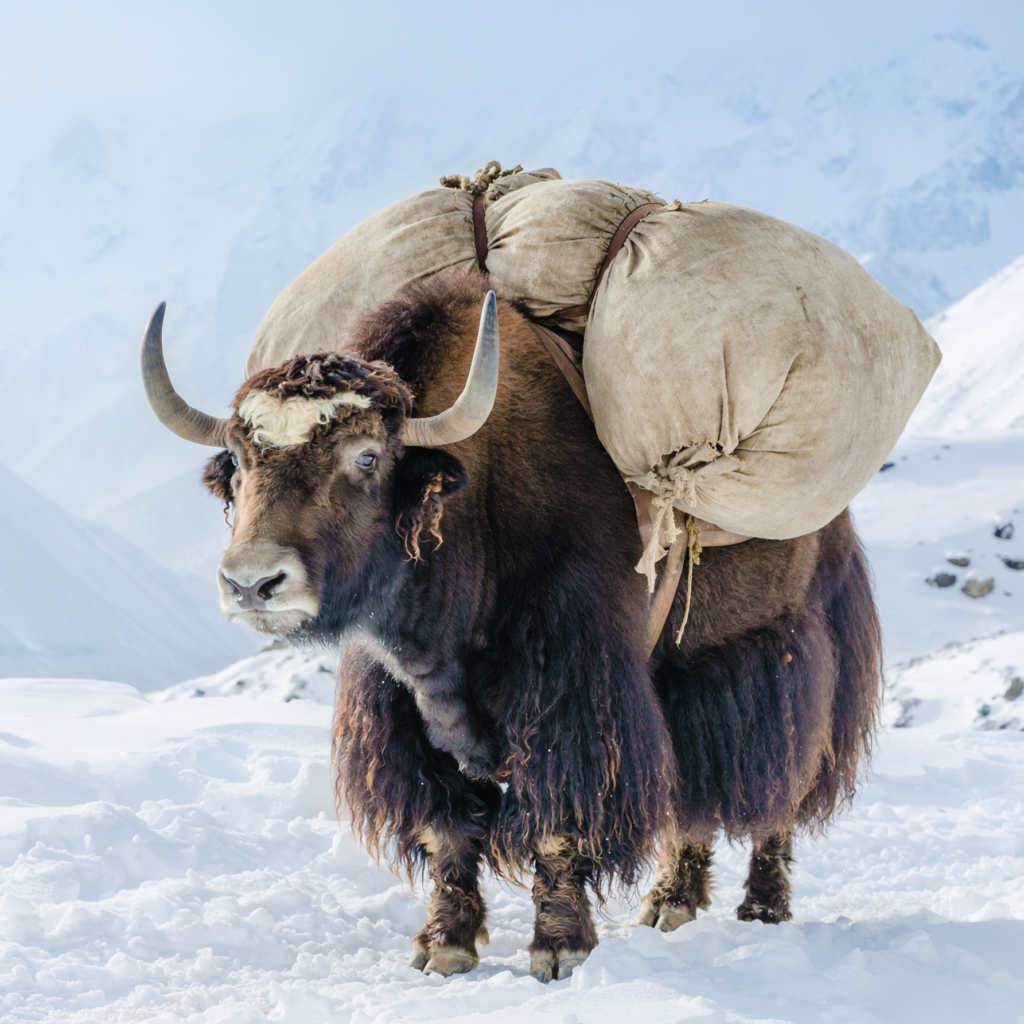
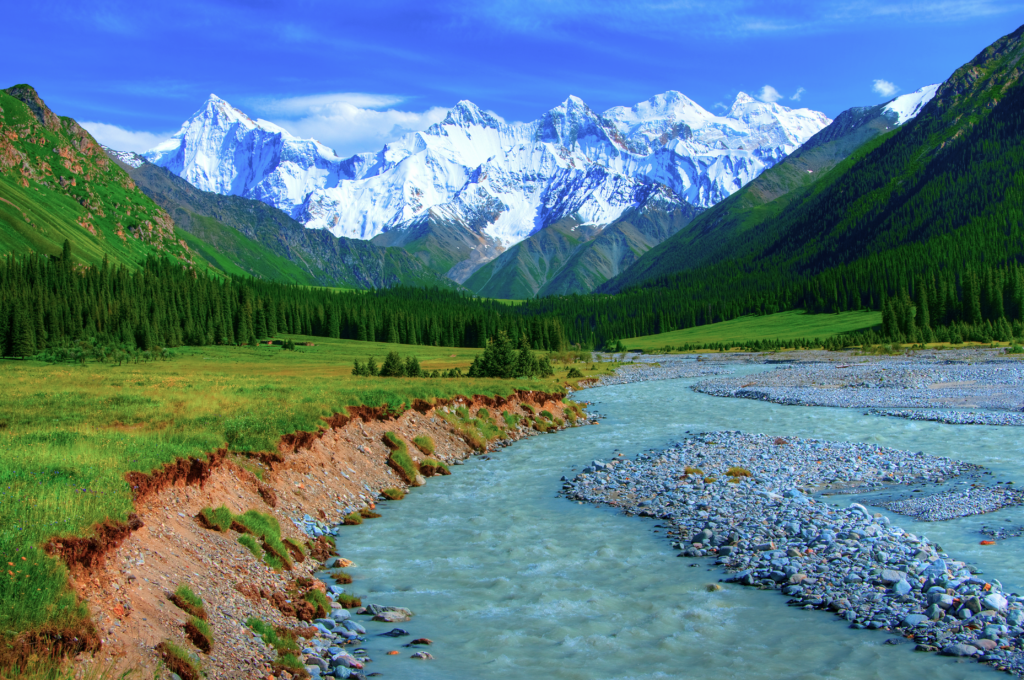
In few weeks of travel on foot, the world changes a lot, no matter where you go, it’s Big Sky Country.
It’s a changing network of mountain passes, river valleys, desert edges and sea routes. A route can flourish for generations, then fade when a border closes, a river moves or a safer road opens elsewhere
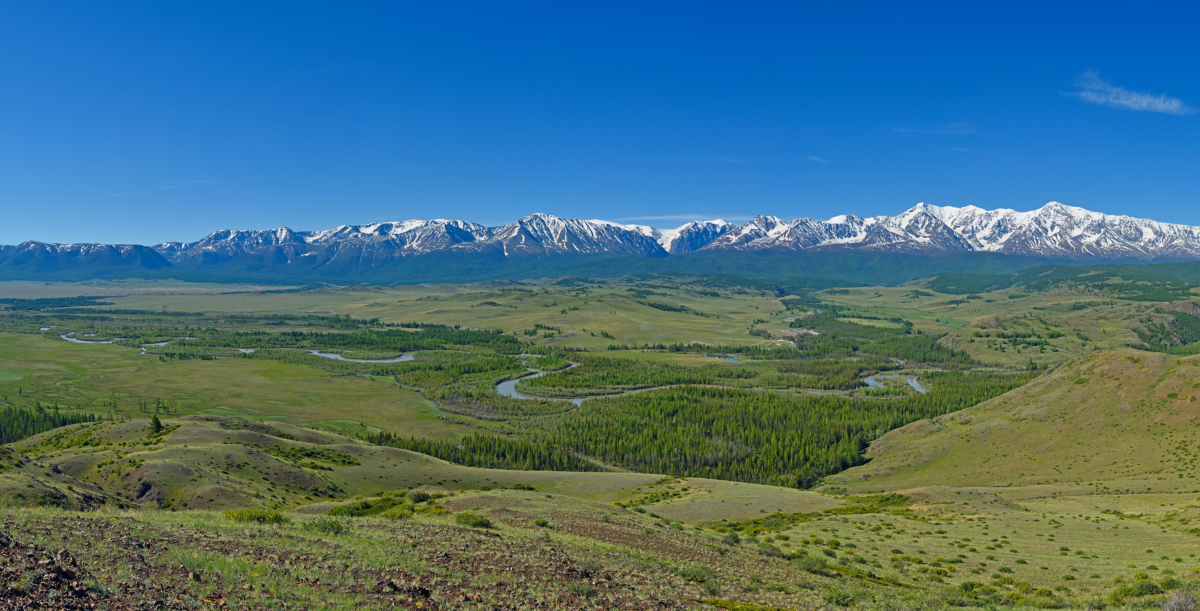
North Chuya Range and Chuya River across Kuray Steppe – from Wikimedia Commons.
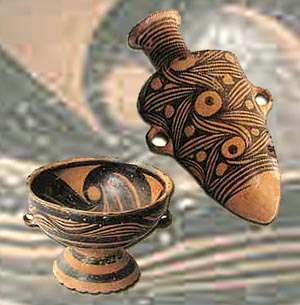
What are Déywiha’s family hoping to get from their trip east? It’s a huge adventure, traveling for trade in the area they call Ga-Se, a predecessor to any named Chinese state we know of.